

August 2026
Gathering Sea Gull Eggs in Alaska
Dear Tastorians,
Last month I went on a family vacation. It’s always an adventure traveling with twelve people ranging in age from 10 months to 75 years old, but this trip was even more adventurous than usual.
Wanting to celebrate my mother’s 75th birthday (sorry for sharing your age, mom) we decided that a cruise would be the easiest way to travel with such a varied group. On top of that, I’d heard that it’s one of the best ways to see Alaska and that’s always been on our collective bucket list. So that’s what we did. A lovely cruise up Alaska’s Inside Passage, culminating in one of the most breathtaking landscapes I’ve ever seen: Glacier Bay National Park.
If you ever get a chance to see it, don’t hesitate. We had hoped to see the glaciers calving, but alas, the ice stayed on land while we were there, but that was okay because the wildlife more than made up for it. The waters around us were filled with seals and otters while whales spouted in the distance. Bald eagles were all around, majestic in their flight. That is, until they were hounded by seagulls. I would have thought the eagle was above being harassed, but not so.
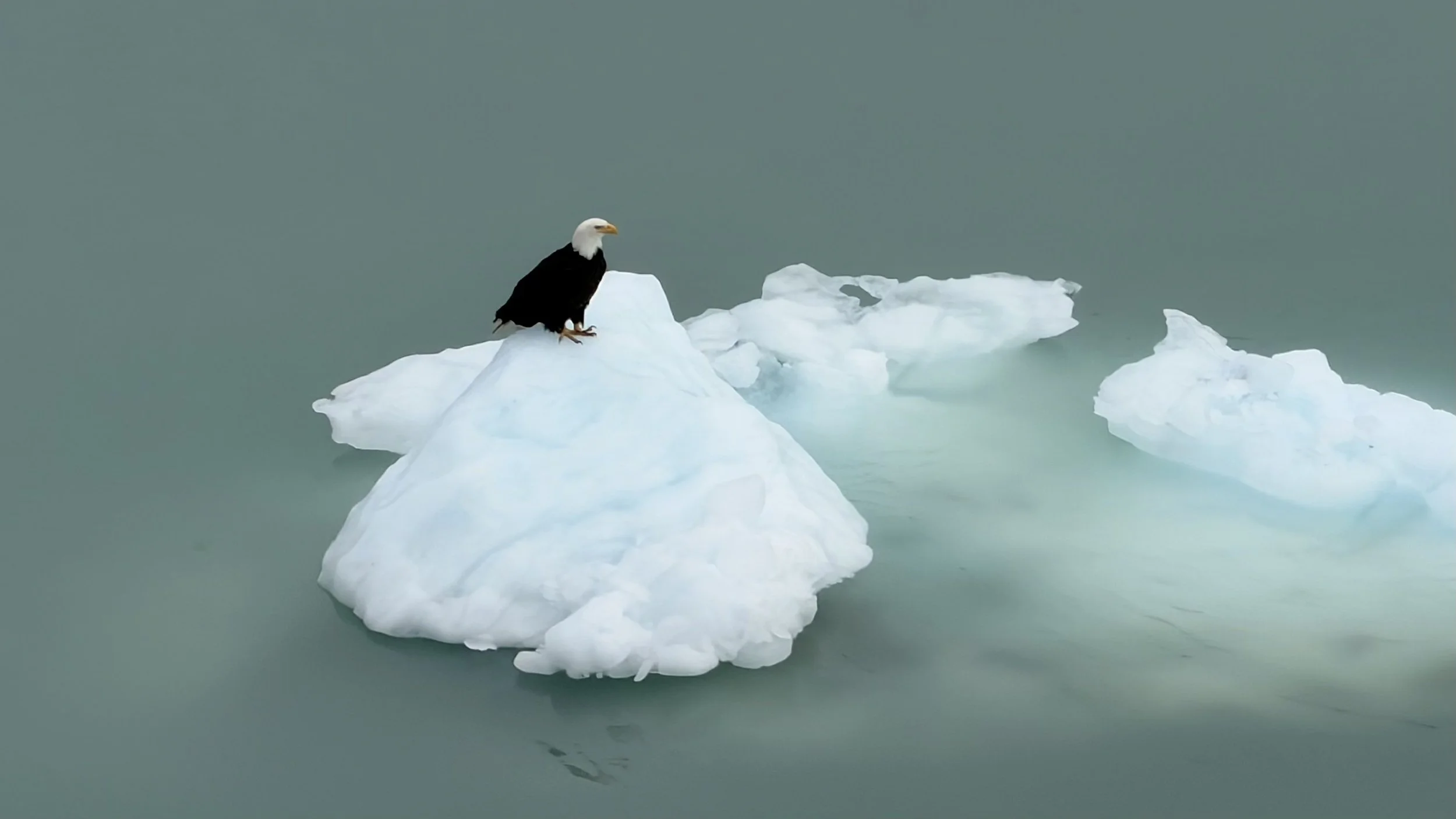
As my four-year-old niece chastised the seagulls for annoying our national bird, my mind was on a story which I’d heard earlier that morning. See, as we cruised into the bay, my brother and I went to the main theater to listen to a lecture from a member of the Tlingit (pronounced closer to "KLIN-kit"), one of the Indigenous peoples who have called this region home for more than 10,000 years.
He spoke passionately (and rather entertainingly) about their language, culture, and history. Then he told a story he’d heard from his mother who had lived there in the early part of the 20th century. When she was around the same age as my niece, she and her siblings were taught how to gather seagull eggs; a just reward for those birds hounding the bald eagles.
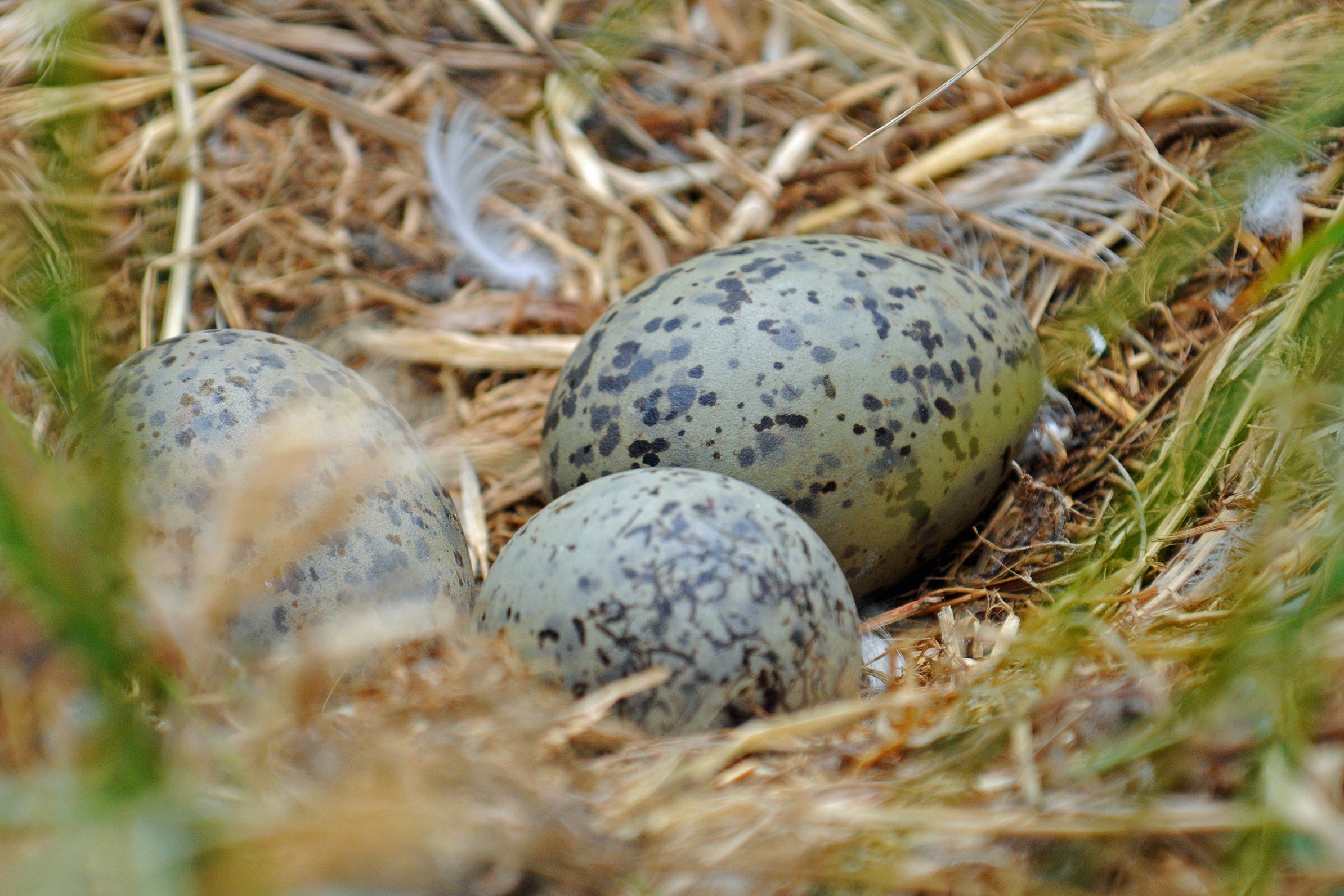
Starting as young as four, Tlingit children learned to scale sheer cliffs and comb through clifftop grasses to find the nests of glaucous-winged gulls, harvesting their speckled eggs during a narrow window between mid-May and mid-June. It was a common source of food for those living there, but for the youngsters, it was a rite of passage. As one elder recalled: "Gathering eggs in Glacier Bay was something especially the family looked forward to. It was like Easter. Family and cousins gathered up there and we collected eggs, and it was a joyous occasion..."
Then, our lecturer told us that in the 1960s, Congress banned the practice. This was but the last in a long line of government bans on aspects of Tlingit culture, namely the ban on them speaking their language for many decades. But unlike the language ban or the ban of many of their ceremonies, the ban on gull eggs had, ostensibly, nothing to do with limiting their culture. It was rooted in conservationists’ attempts to bolster a dwindling gull population. Unfortunately, while their motives may have been positive, the action also severed a tradition which had bound Tlingit families for generations.
For over fifty years, the ban remained in place and the tradition and knowledge of how to sustainably gather the eggs was nearly lost. But in 2014, Congress passed legislation restoring the Huna Tlingit's right to gather gull eggs in the park, carefully calibrated so the harvest could continue "without impairing the biological sustainability of the gull population."
It's a small part of the traditional diet of those still living in this corner of southeast Alaska, but it's an important one. While I doubt I'll ever get the chance to try one of these eggs for myself, it's nice to know that this tradition is still kept alive by those who have practiced it since time immemorial.

And now for a few things I thought you might enjoy:
Last Month’s Videos



Continuing to Serve it Forth,
Max