

Quick Garum
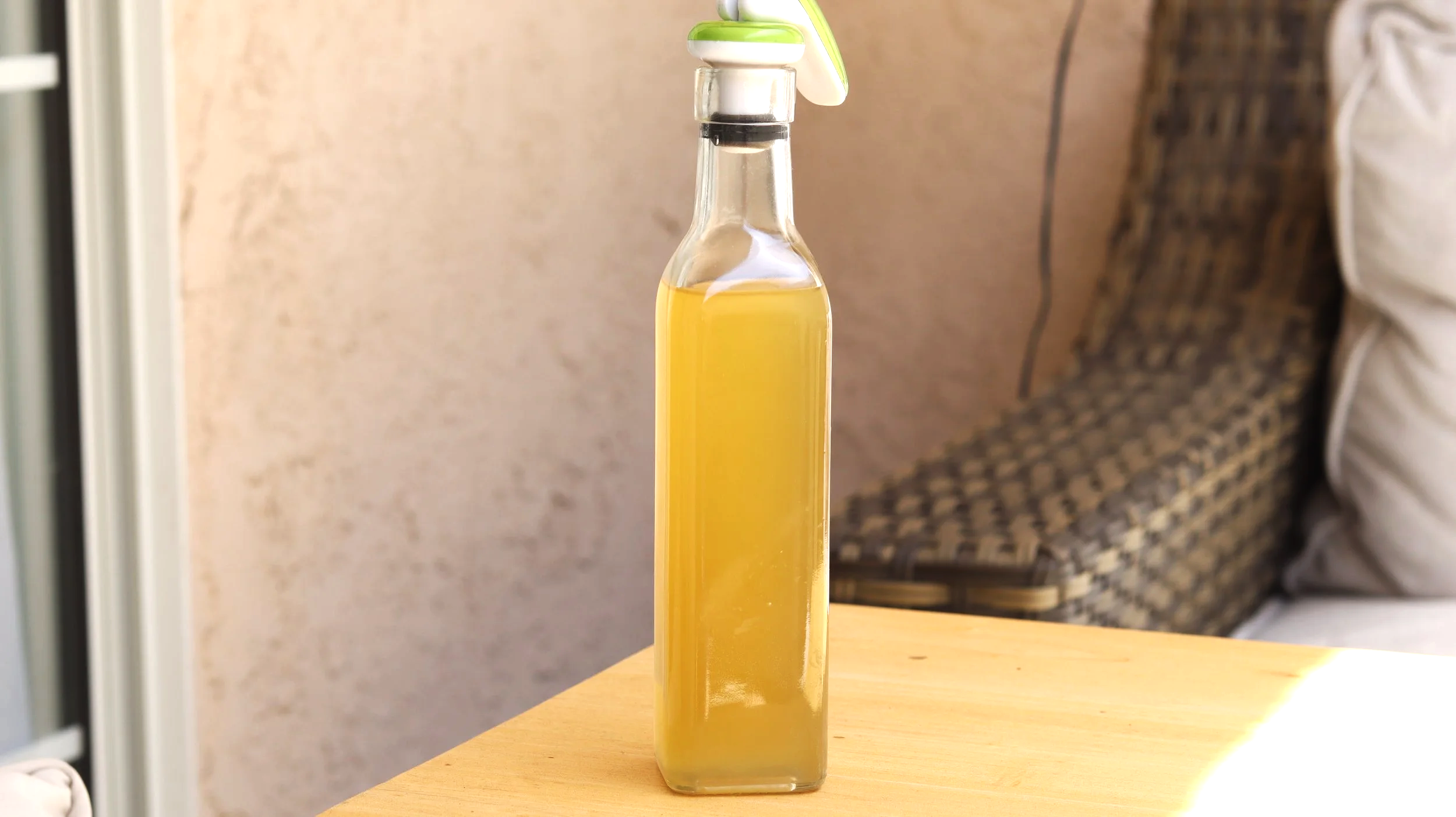
The quick boiled version of Rome’s most popular condiment, garum
City/Region: Rome | Byzantine Empire
Time Period: Ancient, 10th Century
One of Ancient Rome’s most loved and ubiquitous ingredients, true garum is made by fermenting whole fish and salt in the hot sun for months, then straining the liquid until you’re left with a clear fermented fish sauce packed full of umami. Luckily, the Geoponica, written in the Byzantine Empire (also known as the Eastern Roman Empire) in the 10th century gives us a quicker alternative to make the fish sauce. Your house will still definitely smell of fish, but perhaps not quite so bad as the ancient garum factories of Rome.
Garum was used in all kinds of ancient Roman dishes, both savory and sweet. If making this quick version isn’t your thing, you can buy modern versions of garum or use an Asian fish sauce as substitutes.
“If you wish to use the garum at once—i.e. not expose it to the sun, but boil it—make it in the following manner:
Take brine and test its strength by throwing an egg into it to see if it floats; if it sinks it does not contain enough salt. Put the fish into the brine in a new earthenware pot, add oregano, put it on the fire until it boils—i.e., until it begins to reduce. Some people also add defrutum. Let it cool and strain it two or three times, until the liquid is clear. Seal and store it away.”
Ingredients:
- 2 quarts (2 L) water
- About 1 lb (400-450 g) sea salt
- 1 egg, for testing the water
- 2 heaping teaspoons dried oregano
- 2 pounds (1 kg) whole oily fish like mackerel, sardines, anchovies, or herring
- Defrutum* or honey, optional
*See Notes below.
Instructions:
- In a medium bowl or pot, stir about 400 g of the salt into the water. Place the egg in the water. If it floats, you’ve added enough salt. If necessary, keep stirring in more salt and testing with the egg until it floats.
- Transfer the water to a large pot. Testing the saltiness with the egg is easier to do if the water is deeper in a medium pot, but making the rest of the garum needs a large pot.
- Add the oregano, fish, and defrutum if you’re using it, and stir it all together. I didn’t use defrutum when I made mine, so you’ll have to experiment with the amount. I’d start with maybe 1/2 cup (160 g).
- Place the pot over high heat and bring it to a boil. Boil for 30-40 minutes. Every 10 minutes, mash the fish up a bit with a spoon.
- Take the pot off the heat and let it cool.
- Pour the garum through a colander to catch any large pieces of fish, then strain it 2 to 3 times through a paper towel, kitchen towel, or coffee filter.
- Store in a sterilized bottle and use it in all of the Ancient Roman dishes you plan to serve forth.
Notes
Defrutum was a 1/3 reduction of grape must and is sweet and delicious. Today saba is pretty much the same thing. It can be expensive, so you can reduce some grape juice instead. It won't be as complex as saba, but it will work just fine.
Link to defrutum: https://amzn.to/3JGkbyK
Some links on this site are affiliate links. If you buy something through them, it does not cost you anything more, but we will get a small commission which helps keep the site up and running. Thanks!